Spraying Vinegar Can Help Keep Pests Away, But You Don't Want To Use Outdoor Power Tools To Do It
No matter the season, there’s no denying that bugs always find their way into our lives. Spring brings flies and ants, summer hums with mosquitoes, and even during winter, stubborn indoor pests never take a break. Sure, bugs have an essential role in the ecosystem, but that does not make them any less annoying when they appear on your patio, in your garden, or inside your home.
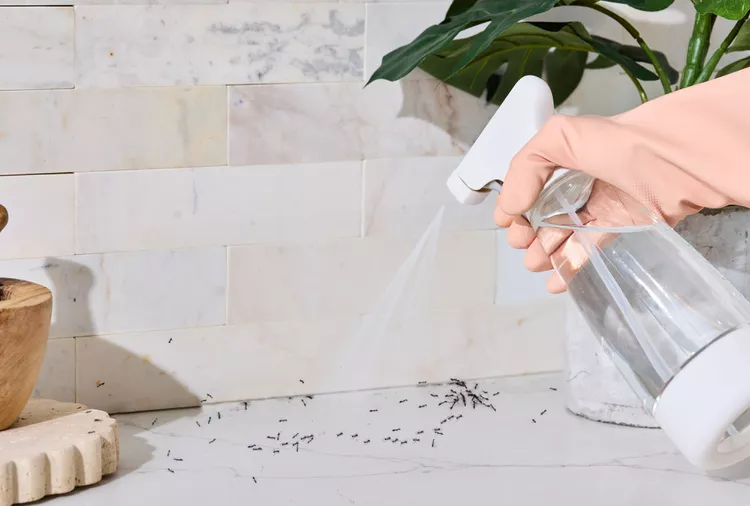
Naturally, homeowners are always searching for effective control methods to keep these pests at bay. While chemical sprays and natural remedies, such as pepper and dishwashing liquid, have been known to work wonders, power tools and modern technology also provide an array of options. Vinegar, for instance, is a simple, natural, and cost-effective solution for repelling pests such as ants, mosquitoes, and spiders. The safe and effective way is to use vinegar with a spray bottle or garden sprayer. But how about using an outdoor power tool?
Unfortunately, using a power washer to apply vinegar can often turn into a costly mistake. Power tools operate at extremely high pressure, which can damage various surfaces around your home. In fact, they also disperse the vinegar too widely, which dilutes its effectiveness and may potentially harm nearby plants or soil.
Reasons vinegar works for pest control
As an effective pest repellent, the power of vinegar lies in acetic acid, the main component that gives vinegar its strong odour and acidic properties. The sharp, pungent smell overwhelms the sensory systems of pests like ants, mosquitoes, and spiders, making any treated areas thoroughly uninviting to them. In fact, when sprayed directly, vinegar can even kill certain pests, such as spiders, by breaking down their protective exoskeletons. This dual-action formula makes it a reliable repellent and a mild insecticide for everyday household use.
As mentioned before, vinegar is also an eco-friendly option. Unlike many chemical repellents, it poses no significant risk to your family, pets, or the environment. Vinegar is non-toxic and biodegradable, meaning it will not contaminate soil or water sources. You can use it confidently both indoors and outdoors, without worrying about harmful residues or long-term ecological effects.
Actually, when used outdoors, vinegar will effectively remove the scent markers that ants use for navigation, which discourages them from returning to the area. Similarly, applying a vinegar solution around windows, doors, patios, and outdoor seating areas can help repel spiders and mosquitoes.
Power tools are not the best option when spraying vinegar
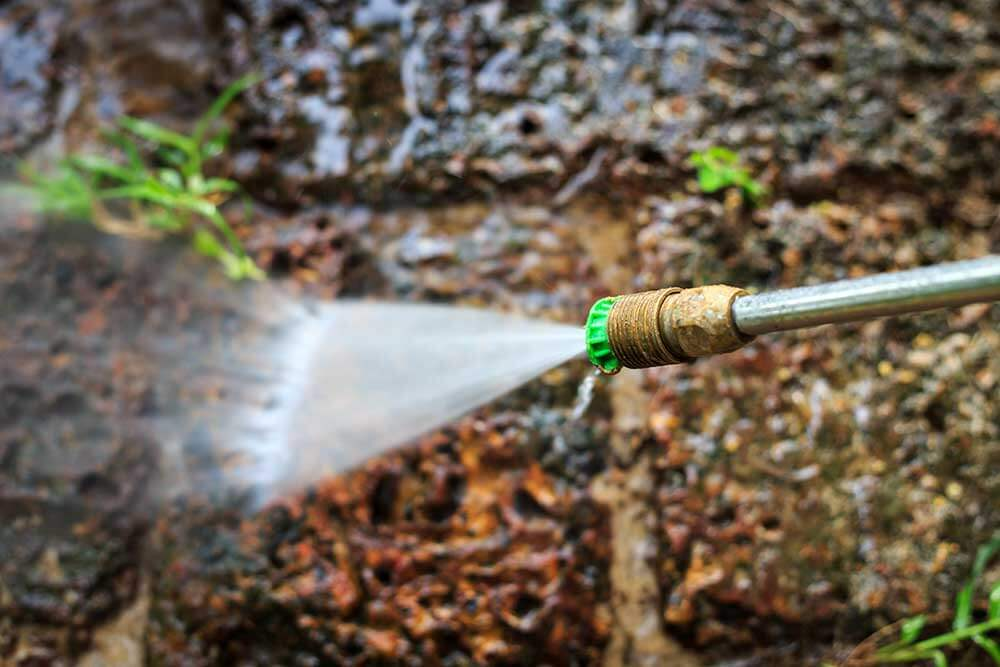
Pressure washers might seem efficient when spraying vinegar. However, they are built for heavy-duty cleaning tasks, not for delicate pest control applications, and their high-pressure spray is not suitable. In fact, surfaces like painted wood, siding, and outdoor furniture can easily chip, crack, or lose their protective finish under that kind of pressure. Additionally, power washers release liquid in very large volumes, which often leads to significant overapplication. This creates excessive runoff that can soak into the surrounding soil, potentially harming nearby plants, lawns, or delicate flowerbeds.
Of course, from a functional standpoint, a power washer also delivers an ineffective application of vinegar. For vinegar to properly repel or eliminate pests, it needs to be applied directly and precisely to specific problem areas, such as cracks, nests, or ant trails. A power washer's wide spray pattern, unfortunately, dilutes the vinegar and disperses it too broadly, which reduces its strength and ultimately wastes the product.
Besides the ineffective application, there are also environmental risks to consider. Because a power washer produces a significant amount of runoff, the vinegar can easily seep into unintended areas. This can alter the soil's pH balance and damage sensitive plants. In more extreme cases, it might even enter storm drains or nearby water sources, which could negatively affect aquatic life.