Can You Refurbish Or Rebuild Ryobi Batteries?
If you are into reliable and adaptable tools, Ryobi is a name you can never go wrong with. Ryobi suits weekend DIY enthusiasts and experts with their wide array of tools designed to handle any project. It doesn’t matter whether its a cordless tool or an 18V and 40V systems, the brand is reputable for performance and user-friendly convenience. But at the heart of every Ryobi tool is the battery. And although the Ryobi battery is renowned for its performance and durability, it's always a pity when it fails. Of course, if your Ryobi battery has stopped working, you might be tempted to repair or rebuild it rather than buy a new one—but is it really worth the risk?
The short answer is, probably not. Unfortunately, Ryobi doesn’t any Ryobi tool. While it’s true that some DIYers have managed to refurbish these batteries, the process is neither simple nor safe. In refurbish or rebuild batteries but you will easily get a replacement for fact, lithium-ion batteries are highly volatile, and without the proper tools, training, and safety equipment, you could easily cause a short circuit, fire, or even an explosion. Sure, the idea of saving money is appealing, but the dangers of refurbishing and rebuilding a battery makes it risky. And even if you set safety aside third-party rebuilds may cost up to around $100, and there's no guarantee they'll restore your battery to its original performance or reliability.
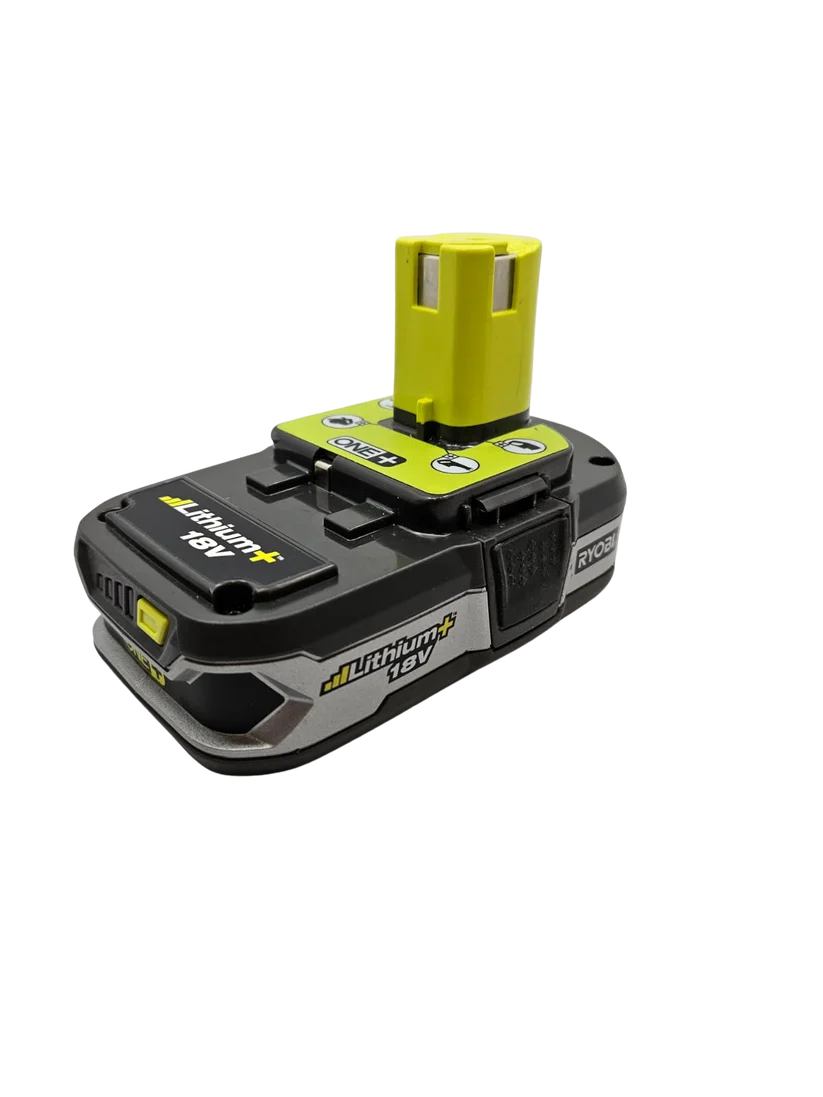
The risks of DIY Ryobi battery refurbishing
Before deciding to refurbish your Ryobi battery, it's important to understand that they use lithium-ion cells, with highly flammable liquid electrolytes. And when mishandled, either during a DIY repair or through misuse, the cells can short circuit, overheat, and potentially ignite. Actually, when they fail, temperatures can soar beyond 700°F, creating serious fire hazards, explosions, or the release of toxic gases. So, while you think power tool batteries are simple accessories, their volatile nature demands careful handling.
Besides the danger of lithium-ion cells, DIY rebuilding can turn perilous without proper skills. After all, rebuilding a battery pack involves disassembling the casing, sourcing and matching replacement cells that meet exact specifications, and soldering them into place. As such, simple errors such as a weak connection or a slight mismatch in cells (even if the batteries are of the same voltage) can lead to short circuits, leakage of corrosive materials, or sudden failure. These risks will increase when using off-brand or low-quality cells that don’t align with Ryobi’s specified charge and discharge rates.
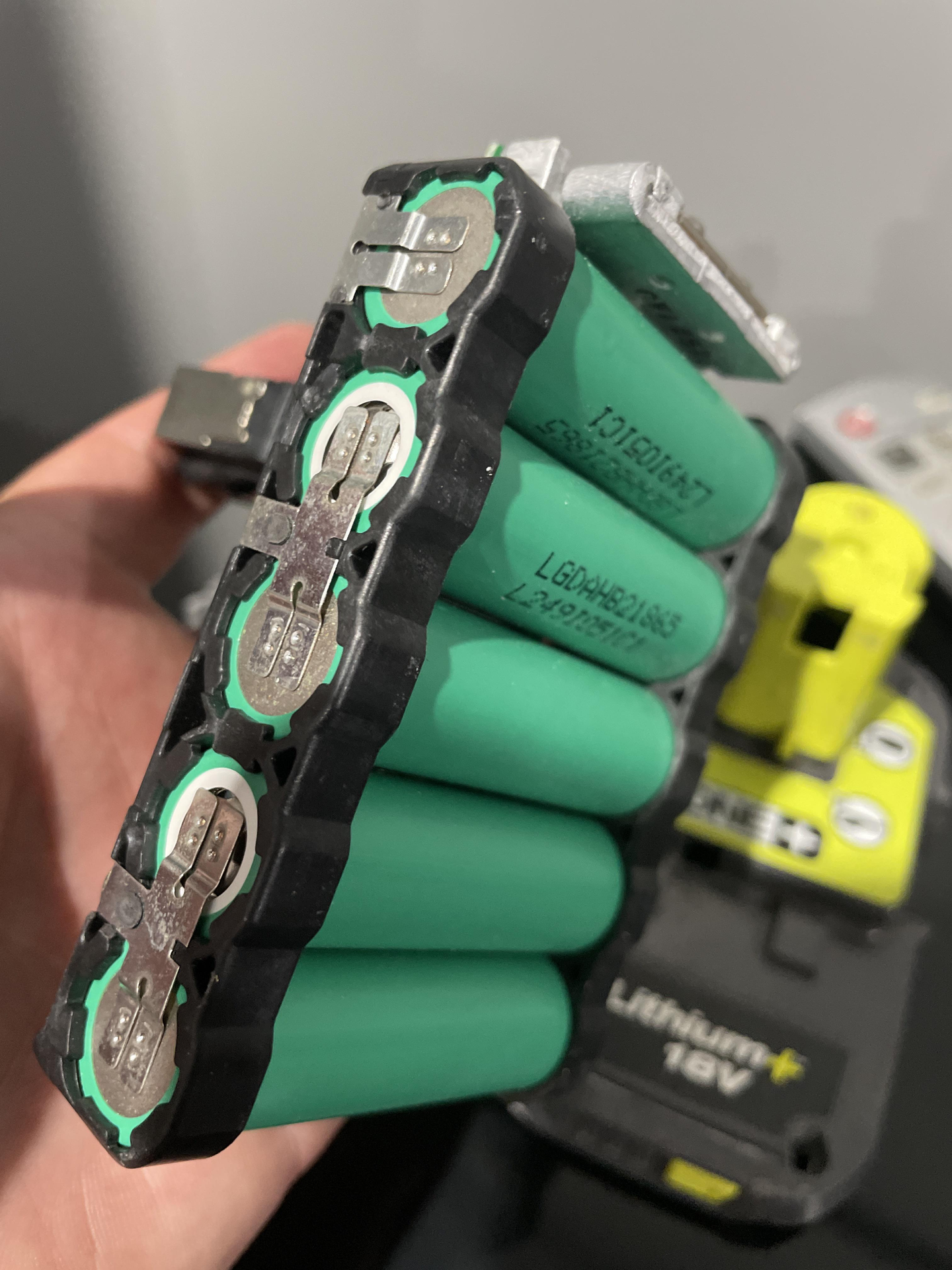
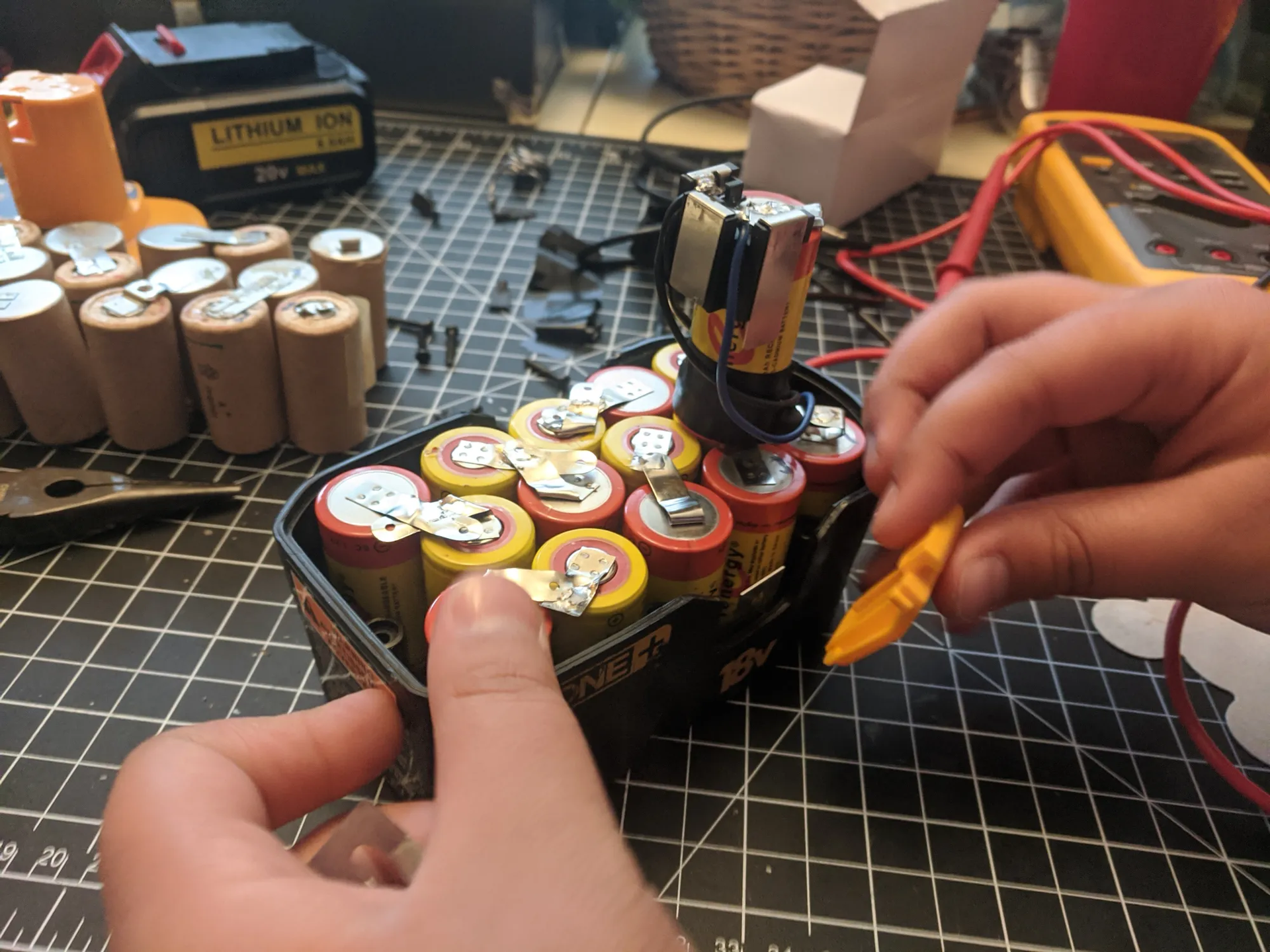
Sure, some online tutorials like electronicsNmore illustrate how to refurbish Ryobi batteries. But while the process used is successful, they gloss over the complexity and dangers involved. Also, the tutorials understate the need for specialized safety gear, proper ventilation, and professional-level cell handling techniques.
Is third-party battery rebuilding worth it?
However, there are professionals who have made it their life mission to refurbish and rebuild Ryobi lithium-ion batteries. These third-party services open the battery casing, remove the worn-out or damaged cells, and installing new ones that meet certain specifications. Basically, they offer different service tiers depending on the battery model and the level of repair required. Essentially, the idea is to extend the life of your battery at a lower cost than buying a replacement.
But, there are caveats behind these repairs. For starters, the services are not affiliated with Ryobi. As such, the technicians may not understand the nuances of design or safety systems on the battery. So, a poorly rebuilt pack could fail prematurely, overheat (which is a common problem with Ryobi power tool batteries), or even damage your tools. That notwithstanding, there is also the turnaround time. Professional rebuilding often requires up to three weeks to complete, which can be inconvenient if you rely on your tools daily.
Luckily, Ryobi has several warranty options. So, before considering third-party refurbishing, it's wise to check if your battery qualifies for Ryobi’s Rapid Repair or warranty replacement program. And if eligible batteries can be sent in for professional repair or replacement, within a 14-day timeframe, and handled by Ryobi-trained technicians. But don’t fret the paperwork. You’ll be getting better and your battery will meet the original specifications.