Selecting the right coffee beans is the first step toward brewing an exceptional cup at home. In fact, the coffee bean market has a variety of types, roast profiles, and origins that contribute to distinct characteristics to your final brew. For starters, the bean variety and its level of roasting shape the flavor, determining the final taste. As such, if you prefer a plain and rich coffee, you might opt for medium-roast beans from Central or South America. Beans from Africa or Indonesia have brighter, more complex flavors compared to those from North and South America. While personal taste dictates preference, darker roasts have better taste than lighter roasts.
Of course, you should consider freshness when selecting your coffee beans, and actually, the more recently they've been roasted, the better. While at it, check the roast date on the bag, and ideally, you'll want to use beans within one to two months for optimal flavor. Sure, pre-ground coffee might seem convenient, but it loses its freshness faster than whole beans. As such, you're better off buying whole beans and grinding them right before brewing to preserve the delicious aroma and flavor. Why not take the chance to check out some different varieties, too? After all, tasting various types is the best way to discover what truly suits your palate.
The Right Grind and Brew Method
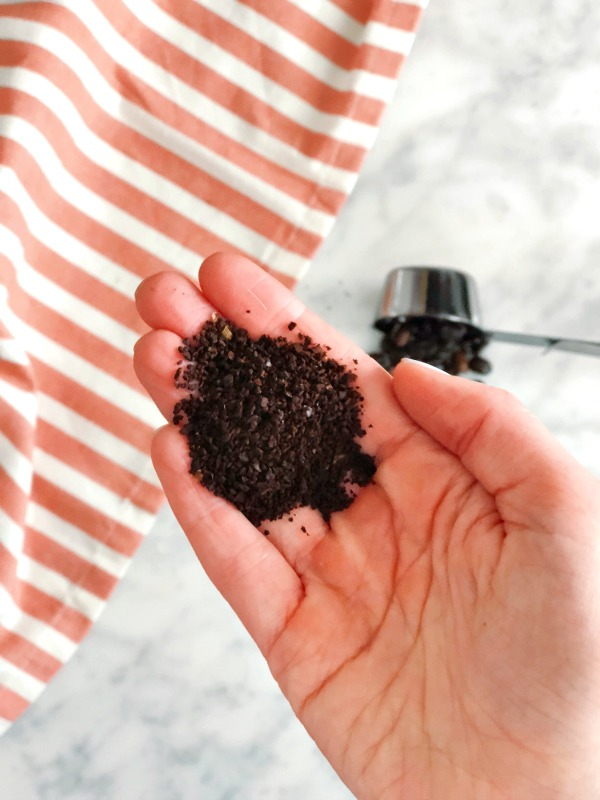
Once you've selected your perfect coffee beans, the next step is grinding them to just the right size. The grind size, in fact, plays a key role in determining how water extracts the flavors - it's all about finding that sweet spot. If your grind ends up too fine, you'll likely end up with an over-extracted, bitter brew. On the other hand, if it's too coarse, your coffee might taste weak and disappointingly watery. According to Equipoise Coffee, aiming for a medium grind is your baseline for achieving that ideal, balanced flavor profile. And although you could use a blade grinder, if you're serious about your coffee, a burr grinder gives you much more precise control over the final grind size.
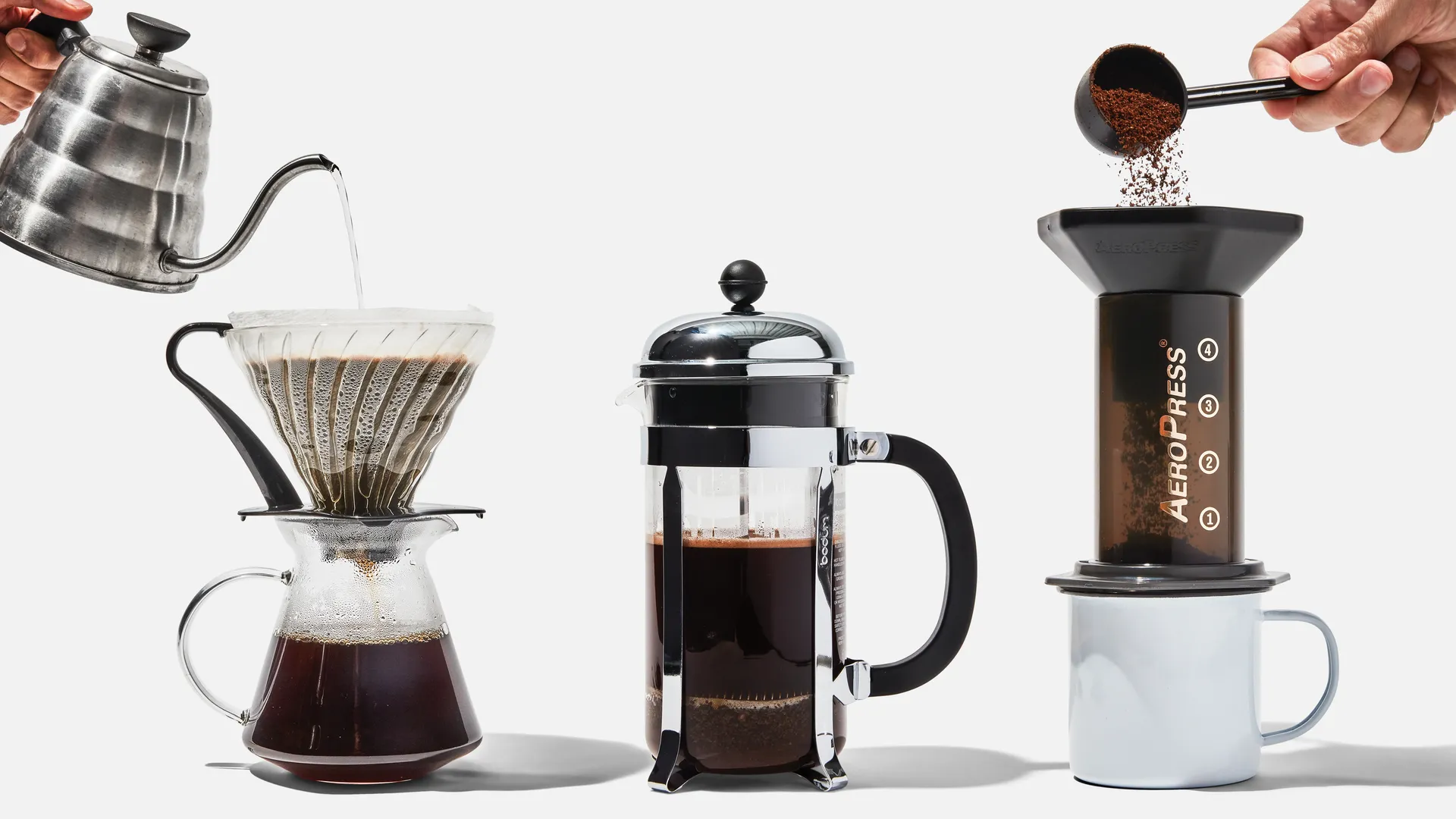
Certainly, the next step is choosing your preferred brewing method. For home brewing, the three most popular techniques are drip machines, French press, and pour-over. Drip machines offer a hands-off approach that's perfect for busy mornings. However, if you're looking for more control over the brewing process, both the French press and pour-over methods allow you to fine-tune variables like steeping time and water flow. That said, regardless of which method you select, water temperature remains constant. In fact, maintaining it between 195-205°F is essential for optimal extraction - too hot, and you risk bitterness; too cool, and you'll end up with underwhelming flavor.
Perfecting the Brewing Technique
While high-quality beans and proper equipment set the foundation for excellent coffee, crafting that perfect cup still requires skill and practice. Hence, getting the coffee-to-water ratio right is essential. According to Swift River Coffee Roasters, 2 tablespoons of ground coffee for every 6 ounces of water is a reliable baseline. In any case, this isn't set in stone; in fact, you should feel free to adjust these proportions to match your personal taste preferences. Another pro tip is if you're using a drip machine or pour-over method, pre-warm your filter before brewing. Sure, it might seem like a small step, but it maintains optimal water temperature throughout the extraction process.
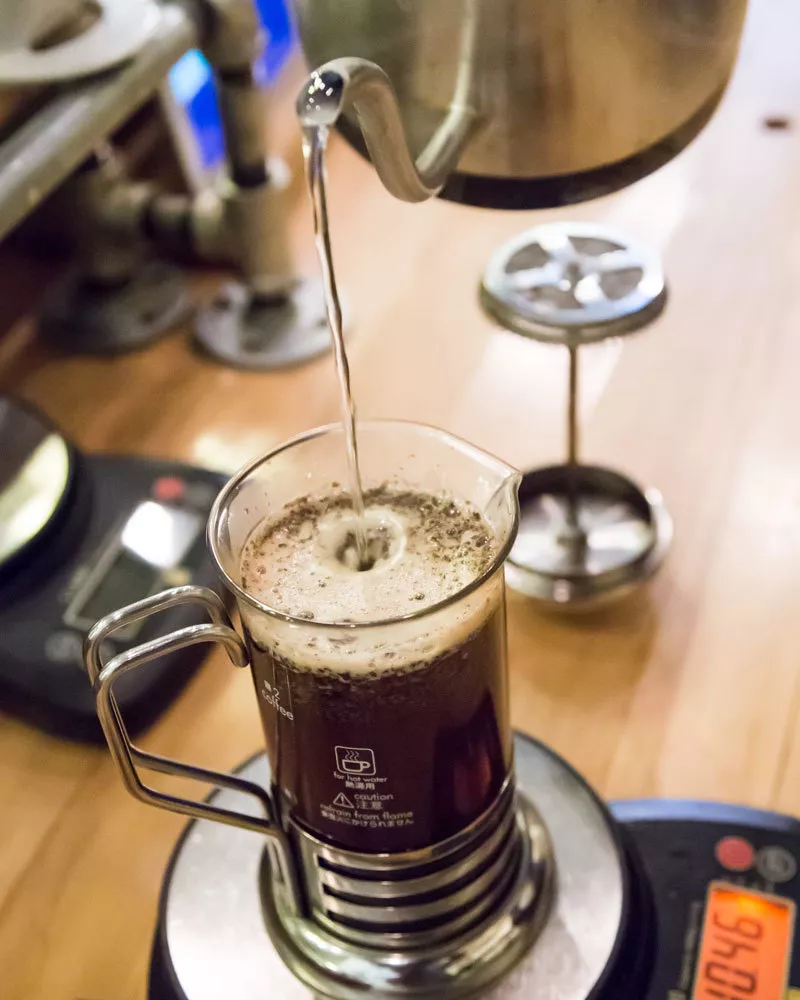
Next, pour the hot water over the grounds slowly and evenly, then let them "bloom" for about 30 seconds. As the coffee blooms, it releases its gases and flavors more fully. If you're using a French press, give the grounds a gentle stir after that first pour for even saturation. Don’t forget timing. Most coffee reaches its ideal flavor profile when brewed between 4 to 6 minutes. Any longer and you risk extracting those bitter compounds that can overpower the more delicate notes. After you’re through, take the time to thoroughly wash your equipment. Residual oils and grounds left behind can accumulate and negatively impact the taste of future brews.