What Are The Disadvantages Of A Subaru Forester? A Look At The SUV's Pros & Cons
For years, Subaru has been a well-recognised automotive brand on par with its audience. And among its most reliable and popular models is the Subaru Forester. Since the 1990s, the Subaru Forester has been tackling snowy terrains, challenging mudslides, and effortlessly handling school pick-up lines. For the past three decades, Subaru has constantly refined this compact SUV to the now six generations, improving its versatility and aesthetic appeal.
Of course, the Forester’s reputation for reliability isn’t just hype—it’s something I’ve experienced firsthand. And after years of being a mechanic and an owner, the Forester has proven to be a perfect compact SUV for tackling daily commutes and rugged adventures without any major issues. For starters, the Forester is reliable and durable, and although it has an average rating on RepairPal, it may hit 200,000+ miles with only basic upkeep. Hence, stick to timely oil changes, belt inspections, and spark plug replacements, and the Forester will serve you for a long time. In addition, Subaru’s boxer engine and the symmetrical all-wheel-drive system are designed for longevity, contributing to the real-world durability.
On the flip side, the Forester doesn’t excel in towing heavy loads. In fact, the base model is capped at 1,500 pounds, but the SUV can easily handle bike racks and small trailers. Even the high trim Wilderness edition, which pushes capacity to 3,000 pounds, doesn’t compare to competitors like the Jeep Cherokee or Land Rover Discovery Sport that can tow 4,500 and 4,409 pounds, respectively. So, if towing is a priority, you might find the Forester’s limits frustrating.
Exceptional all-wheel drive capability
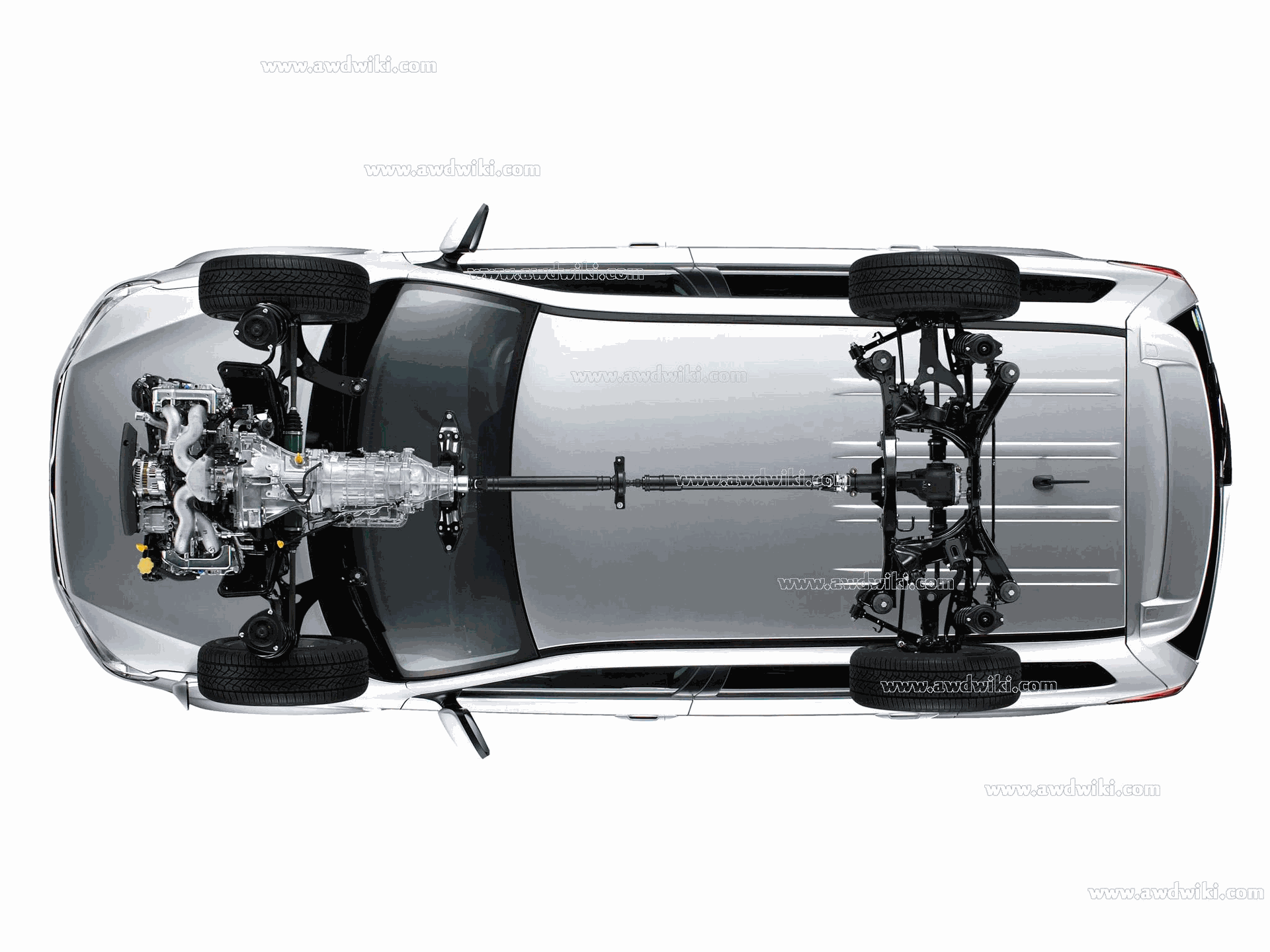
One of the features that I appreciate in the Subaru Forester is the standard symmetrical all-wheel drive (AWD), a feature many competitors know as an expensive upgrade. The AWD has come in handy several times by providing extra traction and stability when navigating snowy mountains and muddy off-road tracks. However, it isn’t just about having AWD; Subaru’s balanced engineering delivers intuitive performance on the highway or backroads. Sure, other compact SUVs might offer similar systems, but rarely with this level of refinement at no additional cost.
While the Forester isn’t a hardcore off-roader, its optional X-Mode (standard in higher trims) feature seamlessly handles snow-covered trails or rocky access roads. X-Mode isn’t just a simple traction button, but it dictates throttle response, braking, and torque distribution depending on the terrain. And although you won’t be rock crawling like a Jeep, I often appreciate extra grip to tackle moderate challenges.
And with a starting price of between $31,415 and $43,015, you’ll be paying less compared to rivals like the RAV4 or CR-V, which offer lower performance. Further, the 8.7-inch ground clearance and standard AWD deliver a genuine all‑weather capability at an affordable price.
Underwhelming engine performance
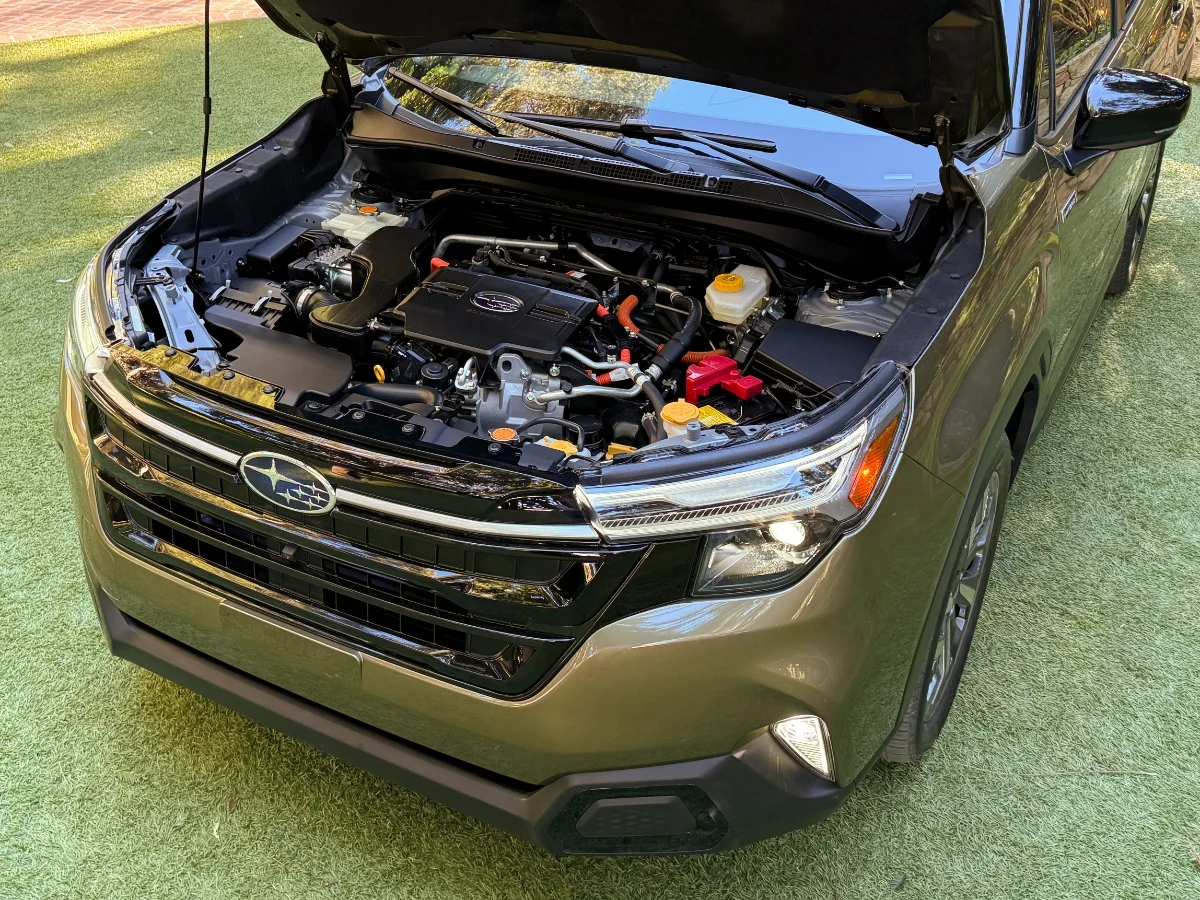
I have found that the 2.5-litre Boxer engine will get you where you need to go, but don’t expect excitement along the way. Actually, the 180 hp and 178 lb-ft of torque are just enough for daily errands and short commutes, but the SUV strains when pushed, whether merging onto the highways or when carrying extra passengers. Unfortunately, Subaru’s decision to discontinue the turbocharged Forester, the Forester XT, leaves a noticeable gap for drivers who want more power.
Even though it's reliable, the Forester is more sluggish since it does 0-60 mph in between 8 and 10 seconds, and drivers might find themselves wishing for the optional turbocharged power offered in the Subaru Outback. I have driven rivals like the turbocharged Mazda CX-5 and Honda CR-V models, and the contrast in responsive acceleration and driving engagement is huge. And although the Wilderness trim offers 182 hp and 176 lb-ft, it's still no match for the turbocharged options.
And for someone like me who likes an engaging ride, the seven or eight-speed Lineartronic Continuously Variable Transmission (CVT) has a rubber band effect that makes the CVT feel less responsive. Even though the Forester prioritizes reliability and fuel efficiency, Subaru ought to introduce a model with more power.
Spacious and practical interior
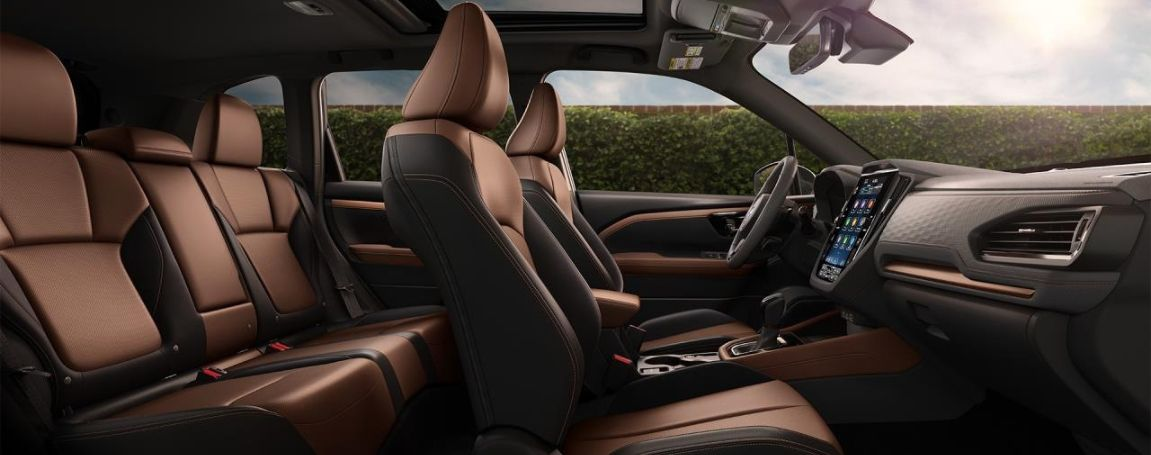
Another of the Forester’s strongest selling points is its roomy and practical cabin. When packing for a camping trip or thinking of a grocery run, the generous cargo space never leaves me wanting for space. The 28.9 cubic feet behind the rear seats is perfect for everyday loads, while the 74.2 cubic feet with seats folded can comfortably handle bulky outdoor gear or small furniture.
Besides the cargo space, I’ve also found the cabin roomy. The interior has elevated seating, large windows, and ample headroom and legroom—41 in headroom/43 in legroom in the front and 39 in/headroom and 39 in legroom at the rear—creating an airy, commanding driving position. Subaru’s attention to comfort details, such as reclining rear seats and optional heated/ventilated front seats, transforms this compact SUV into the perfect off-road vehicle. While the base models keep things simple, the mid-level trims have upscale touches like leather accents on the seats and gear selector. You’ll also appreciate the convenience of a hands-free liftgate that comes optional.
Tech-wise, the Forester’s Starlink setup is intuitive. The base model has a 7-inch touchscreen, while all other trims have an 11.6-inch touchscreen with logical menus and quick response times. Apple CarPlay and Android Auto are standard, and they seamlessly connect your smartphone to the infotainment system. Sure, some competitors might offer larger displays, but the Forester’s combination of wireless charging (on higher trims) and straightforward controls lets you drive without distractions.
Noisy cabin and stiff ride quality
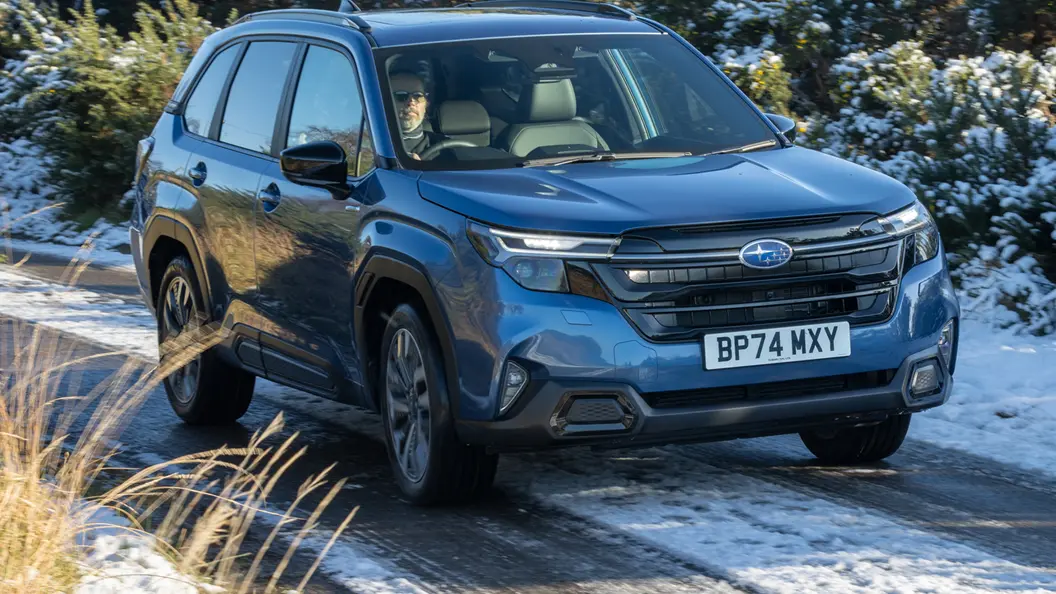
Unfortunately, the 8.7-inch ground clearance of the Subaru Forester makes it sit higher than other SUVs. As a result, once you hit highway speeds, the wind whistling around the tall windows and A-pillars, as well as road-tire noise, becomes loud compared to rivals like the RAV 4 or CR-V. This isn’t a dealbreaker for most daily driving, but on longer road trips and at speeds more than 55mph, the lack of sound insulation can be a dealbreaker. I’ve found myself turning up the volume on the stereo to compensate, but drivers prioritizing a serene cabin might wish for a more acoustic cabin.
While the suspension is tuned for comfort on uneven roads, it comes with a trade-off on the highway. The Forester handles rough terrain admirably, but the firm tuning causes noticeable jolts over city potholes and uneven pavement, which many passengers rarely mention. This is the classic SUV dilemma where you have to choose between off-road readiness and daily comfort. So, if your driving is mostly urban, those harsh impacts might make you opt for softer-riding crossovers like the Toyota RAV 4 and the Hyundai Tucson.
Is the Subaru Forester right for you?
I believe the Subaru Forester has much going for it, especially for drivers looking for safety, reliability, and real-world usability. The standard Symmetrical AWD is a real asset, despite the weather or terrain. Although some SUVs might offer more luxury, very few match this combination of versatile cargo space, excellent visibility, and family-friendly features at this price point.
That said, the Forester wouldn’t be my first pick since Subaru makes some compromises to deliver its unique features. The underwhelming acceleration and noticeable road noise remind me that this SUV prioritizes practicality over comfort. And while it’s fuel-efficient (with 26 mpg city and 33 mpg highway) and durable, drivers craving responsive power might find it lacking.
So, if you’re looking for a compact SUV that handles well in most conditions, the Forester remains one of the most well-rounded SUVs. But before getting one, know that you’re compromising on a quieter ride or stronger engine performance, features you could get on alternatives like the Hyundai Tucson, Mazda CX-5, or Toyota RAV4.