Of course, opting for used tires can be a great way to cut costs. But just because a tire looks good doesn't mean it's road-ready. In fact, one of the biggest mistakes drivers make is assuming that decent tread depth equals a problem-free tire. Even if the surface appears fine, hidden issues like uneven wear, minor deformities, or internal weight imbalances could be lurking. So, yes, used tires need balancing.
Tire balancing (or wheel balancing) is about correcting uneven weight distribution in your wheels. When your tires are not balanced, they don't just cause the vibrations, but a ripple effect of problems — premature tire wear, strain on your suspension, and even decreased fuel efficiency over time. Hence, while this isn't just some optional upsell at the tire shop, it's a key safety measure affecting your driving experience and, frankly, balancing matters just as much for used tires as it does for brand-new ones. This is because even if a tire has plenty of tread left, its weight distribution is rarely perfect after months or years on the road.
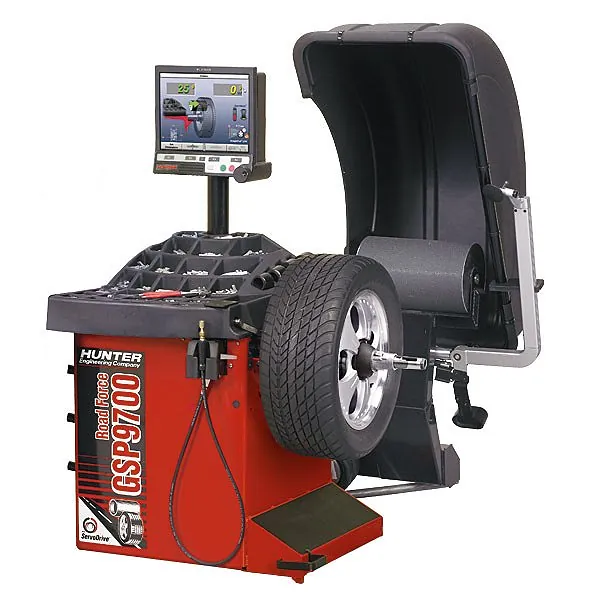
During balancing, the tires and wheels are mounted on a tire balancing machine that spins them at high speed. This diagnostic pinpoints exactly where weight needs to be added, and the technician places precisely calibrated weights to counteract any imbalance. Don't forget to recalibrate your car's tire pressure monitoring system (TPMS) after the balancing process.
What to know before you buy used tires
While buying used tires is a smart purchase, it pays to know what you're getting into. First, start with a hands-on inspection and, in fact, take your time examining each tire. The uneven wear on the tread patterns could mean the previous vehicle had alignment issues or suspension problems you don't want to inherit. While at it, run your hands along the surface (with gloves if possible). Sure, some minor wear is expected, but keep an eye out for deep cuts, suspicious bulges, dry rot cracks, or poorly repaired punctures. They are safety concerns waiting to happen.
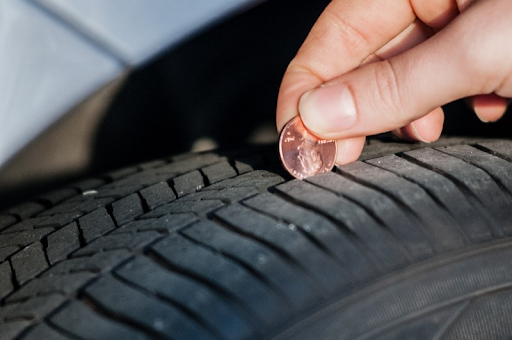
Tread depth is also about real-world safety. While 2/32 of an inch is the absolute minimum, you'll want at least 4/32" remaining, especially in freezing conditions, but aim at 7/32" or more for adequate service. Anything less, and your tires simply can't channel water away effectively, increasing your risk of hydroplaning. Although a professional tread depth gauge gives you the most accurate reading, the classic penny test (with Lincoln's head upside down) can tell you if you're approaching the danger zone.
Remember, a tire's history can be as important as its physical appearance. So ask the seller important questions such as how many miles it has seen, whether it was used as a spare or in regular rotation, and how it was stored. Also, keep in mind that even tires with good tread can be compromised by prolonged exposure to heat, sunlight, or improper storage conditions.
A good used tire should be between 2 and 3 years old, so always check the DOT (Department of Transportation) code on the sidewall since it tells you the tire's manufacturing date. And since you want your tires to last longer, anything between 6 and 10 years is entering risky territory due to natural rubber degradation. Finally, while the sticker price might seem appealing, remember that balancing and mounting typically aren't included. Budget an extra $15–$20 per tire for proper balancing, mounting fees, tire disposal, and valve stem fees.
The reasons why tires need to be balanced
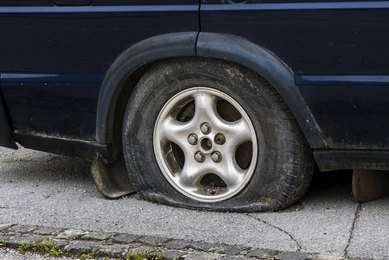
Tires don't just become unbalanced on their own — there's usually a reason behind it. First, potholes, especially when you hit the deep ones, can leave a jarring impact that can easily knock off the delicate wheel weights that keep your tires balanced. Similarly, curbs can cause minor or major scrapes that can disrupt the wheel's balance. Additionally, if your vehicle has been underinflated, the experience might have left subtle irregularities in the tire's structure. And if your car's been sitting unused for weeks or months, those "flat spots" from bearing the vehicle's weight in one position can throw off the balance.
Therefore, used tires, though budget-friendly, come with a set of considerations. That "perfectly good" used tire might have developed uneven wear patterns from its previous vehicle. Additionally, the car might have needed proper tire alignment, or perhaps it underwent multiple rotations that changed its natural balance of the wheels over time. And do not forget the possibility of minor damage that isn't immediately visible to the naked eye. As a result, the slightest imbalance, even just a few grams' worth, can affect how your car drives. Certainly, you might not notice much at low speeds, but these minor weight variations make themselves known on the highway through steering wheel vibrations or seat tremors.
Hence, when you mount a used tire onto a new wheel, you're creating a brand-new combination that almost always requires rebalancing. And since the weight distribution changes completely, what worked for the previous owner likely won't work for your vehicle.