Can A Hot Day Really Inflate Your Car’s Vinyl Wrap? Here’s What To Know
Vinyl wraps are among the cheap cosmetic upgrades you make to your car. These wraps allow you to select colors, finishes, and designs that you can’t get from the original manufacturer. Also, when compared to traditional paint jobs, which require sanding, buffing, and several coatings, wrapping is more straightforward. However, although vinyl wraps are durable (they last for about 3 to 7 years), they may peel or fade, especially when exposed to harsh sunlight, extreme temperatures, or other demanding weather conditions. But can a hot day really inflate your car's vinyl wrap?
You might have noticed the recent viral videos on social media that have sparked a stir among vehicle enthusiasts, showing car wraps inflating into giant air bubbles during hot weather. In fact, these clips—some with millions of views—show vinyl wraps ballooning outward, with creators claiming extreme heat caused these dubious expansions. Fortunately, while these videos are eye-catching, they go against the basic principles of how vinyl wraps behave under extreme heat.
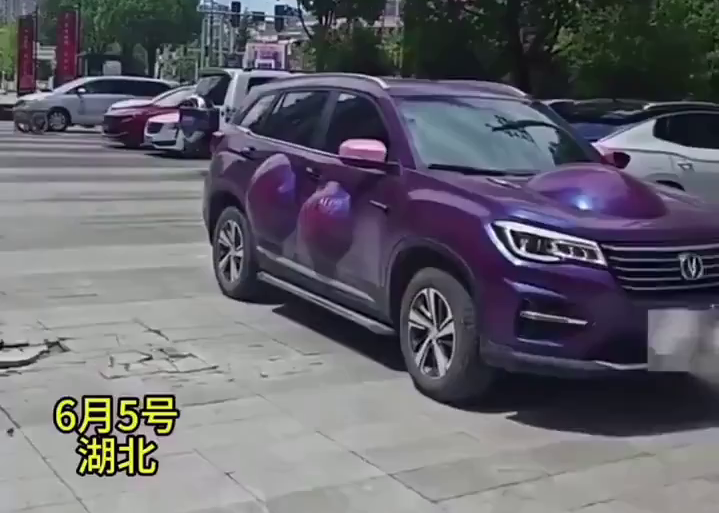
Of course, it’s a basic understanding that air does expand when heated. However, the temperature change between a cool morning and a scorching afternoon cannot cause the inflation in these clips. So, no. The idea that a hot day could cause vinyl wraps to balloon like in those viral videos is impossible. As such, the air pockets seen in these clips are created artificially for content, not by thermal expansion.
The science of vinyl wraps and heat
For starters, professional-grade automotive vinyl from manufacturers like 3M and Avery Dennison is designed to withstand extreme temperatures. So they can remain structurally safe in conditions ranging from -40°F to over 200°F. This resilience comes from polymers and adhesive systems engineered for durability and flexibility. Intrinsically, the notion that normal weather conditions could compromise these wraps is flawed. And since the vinyl is designed to remain flexible, once exposed to heat, it tends to become more pliable, allowing the material to conform to a vehicle's contours and surface textures. Actually, this improves its adhesion rather than creating air gaps.
Beyond their flexibility, modern automotive vinyl wraps aren’t airtight. Most professional-grade wraps have air release channel technology with micro-sized glass beads to create escape routes for trapped air. As such, between these built-in ventilation systems, natural porosity, and the edge gaps, air to move freely and prevent pressure buildup regardless of the environment.
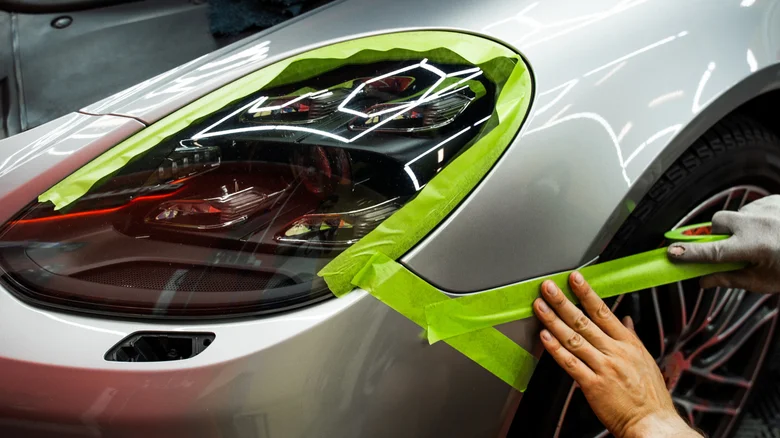
What’s more is that the installation method prevents the possibility of trapped air causing these balloons. The easiest DIY method for vinyl wrapping your car requires heat guns reaching temperatures of 200°F+ and squeegees to remove every air pocket. Hence, this process ensures any air bubble larger than a pinhead would be visible and corrected before the installation is complete.
So, if heat causes any issues with your wrap, you might notice edge lifting, adhesive breakdown, or slight color fading. But if you do spot raised sections, they may come from a bad installation or contamination underneath the wrap.
Reasons why these videos are likely staged
Of course, the most compelling argument against these claims comes from geography and industry experience. After all, if extreme heat caused vinyl wraps to balloon, we'd see widespread failures in regions like Arizona, Nevada, Texas, Florida, and Middle Eastern countries (where summer temperatures regularly exceed 115°F). Hence, the continued widespread use of vehicle wraps in scorching climates is undeniable proof that these videos are fabrications.
And if you’ve noticed, the source of the 'pregnant car' videos is social media accounts focused on viral content rather than credible automotive expertise. Actually, these clips surface during periods of peak engagement, lacking any commentary from professionals. The size of the balloons also tells more about the cause of expansion. According to The Autopian, the physics don't support these claims since, under normal conditions, trapped air only expands by about 7% when heated. This is an insignificant change that couldn't produce the ballooning effects portrayed in these videos.
In reality, the ballooning effect can be replicated by professionals, not through temperature changes, but by inserting compressed air beneath the wrap. This is the standard technique used by vinyl wrap installers, allowing them to separate the vinyl from the surface without damage. And notably, the silence from major wrap manufacturers and professional installer associations speaks volumes. In fact, despite these videos spreading to millions of viewers, not a single reputable company has issued warnings about heat-induced wrap inflation. In essence, the absence of any official response implies that professionals dismiss these claims outright.